Eating Disorder Recovery Food Journal
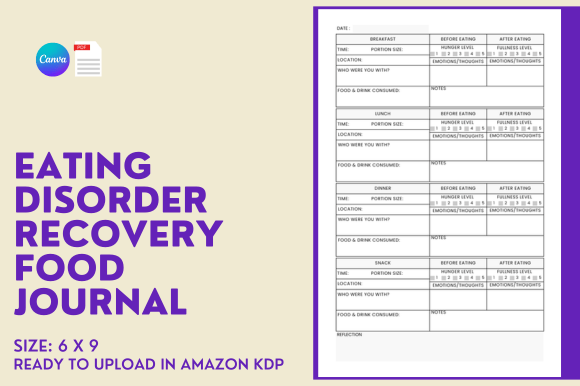
The Eating Disorder Recovery Food Journal is a practical tool designed to support individuals on their journey toward healthier eating habits and overall well-being. It serves as a personal record of food intake, mood, and thoughts related to meals, helping users identify patterns and triggers that may impact their recovery process.
What Is the Purpose of This Journal?
The primary goal of the Eating Disorder Recovery Food Journal is to provide structure and clarity to one's relationship with food. By tracking what, when, and how much you eat, along with your emotional state before and after meals, it becomes easier to recognize unhealthy behaviors and make informed choices.
This journal can be especially helpful for those recovering from conditions like anorexia, bulimia, or binge eating disorder. It offers a safe space to reflect on progress, challenges, and moments of success without judgment.
Key Features and Benefits
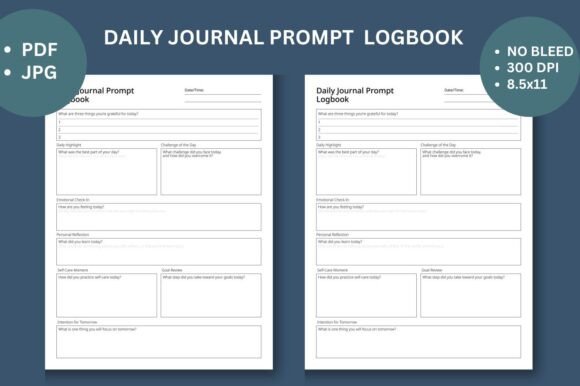
The Eating Disorder Recovery Food Journal comes in a 6 x 9 size, making it easy to carry and use throughout the day. It includes 110 pages of structured prompts and spaces for notes, ensuring that users can maintain consistent tracking without feeling overwhelmed.
One of the standout features is its customizable design. With an editable Canva template included, users can add their own branding, colors, or personal touches, making the journal uniquely theirs. This flexibility allows for both personal use and potential commercial applications.
Why Choose This Journal?
For individuals looking to improve their eating habits, this journal provides a clear and organized way to monitor progress. It encourages mindfulness around food and helps build a more positive relationship with meals.
Professionals such as nutritionists, therapists, and life coaches may also find value in using this journal as a resource for clients. It can serve as a conversation starter, helping to uncover underlying issues and track improvements over time.
How Can You Use It?
The Eating Disorder Recovery Food Journal is versatile and can be used in various settings. Whether you're at home, in a clinic, or on the go, it's designed to fit into daily routines. Its compact size makes it ideal for quick entries and regular updates.
Beginners can start by recording meals and moods each day. Over time, they might add notes about physical sensations, stress levels, or specific goals. This gradual approach helps build confidence and consistency.
Realistic Use Cases
Imagine someone working through recovery from an eating disorder. They might use the journal to track when they feel anxious about food, what types of meals they avoid, and how they feel afterward. This information can then be shared with a therapist to guide treatment plans.
Another example could be a busy parent who wants to maintain healthy eating habits. The journal can help them stay accountable, even with a hectic schedule. By reviewing entries weekly, they can adjust their approach and celebrate small victories.
Important Considerations
Before starting, it's essential to understand that the journal is a tool, not a solution. It works best when used alongside professional guidance, especially for those dealing with severe eating disorders. It should complement, not replace, therapy or medical advice.
Users should also consider their comfort level with self-reflection. Some may find it challenging to track every meal or express their emotions openly. In such cases, starting with shorter entries or focusing on specific aspects of their eating habits can be a good first step.
Customization and Commercial Potential
The ability to customize the journal using Canva opens up opportunities for entrepreneurs and creators. Those interested in building a low or no content business can easily adapt the template to suit their brand or audience.
By adding unique elements, such as motivational quotes, illustrations, or themed layouts, users can create a product that stands out in the market. This customization also allows for personalization, making the journal more engaging for end-users.
Where to Find It
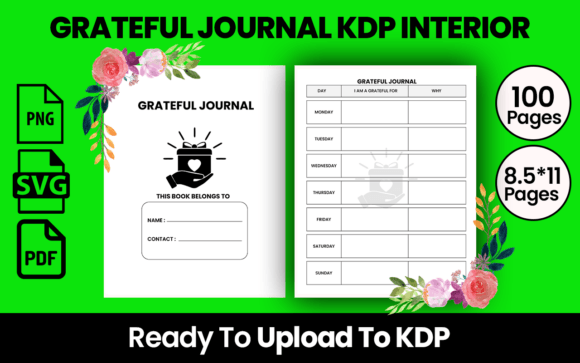
The Eating Disorder Recovery Food Journal is available as a downloadable PDF file with 110 pages ready for upload. It includes a link to an editable Canva template, giving users full control over the design and layout.
If you're looking for a reliable and user-friendly resource to support your recovery journey or business goals, this journal is a valuable addition. Its thoughtful design and practical features make it accessible for beginners and adaptable for advanced users.
Whether you're taking your first steps toward better eating habits or exploring new ways to grow your business, the Eating Disorder Recovery Food Journal offers a supportive and flexible foundation to work with.